

#1. Life on Earth (1979–)
The story of life, from the first primitive cells to the plants and animals that now live around us.
The definitive ranking of the greatest television shows first broadcast during the 70s.
The story of life, from the first primitive cells to the plants and animals that now live around us.
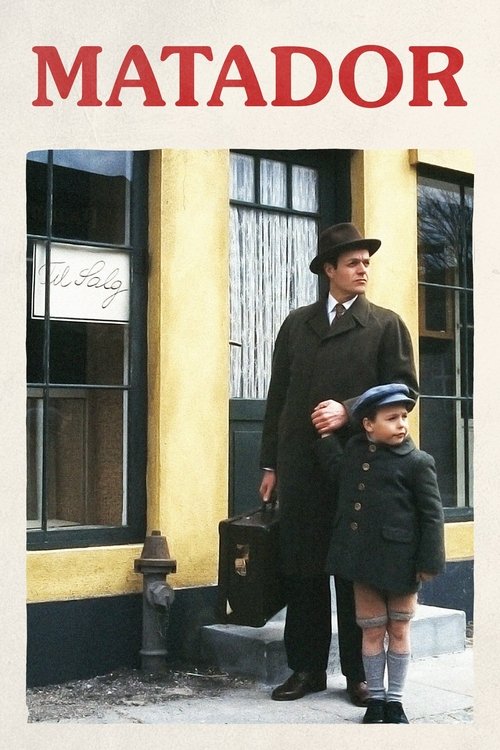
Matador is a Danish TV series produced and shown between 1978 and 1982. It is set in the fictional Danish town of Korsbæk between 1929 and 1947. It follows the lives of a range of characters from across the social spectrum, focusing specifically on the rivalry between the families of two businessmen: The banker Hans Christian Varnæs, an established local worthy, and social climber Mads Skjern, who arrives in town as the series opens. The name Matador was taken from the localised edition of the boardgame Monopoly, also the series' tentative English title. In addition, in contemporary Danish a "matador" is often used to describe a business tycoon, in the series referring to the character of Mads Skjern and his craftiness as a self-made entrepreneur. Directed by famed Danish film maker Erik Balling, Matador was the idea of author Lise Nørgaard who wrote the bulk of the episodes alongside Karen Smith, Jens Louis Petersen and Paul Hammerich. The series is one of the most well-known and popular examples of Danish television and represents the peak of longtime development of Danish TV drama by the public service channel Danmarks Radio. The series has become part of the modern self-understanding of Danes, partly because of its successful mix of melodrama and a distinct warm Danish humour in the depiction of characters, which were portrayed by a wide range of the most popular Danish actors at the time; but also not least because of its accurate portrayal of a turbulent Denmark from around the start of the Great Depression and through Nazi Germany's occupation of Denmark in World War II.
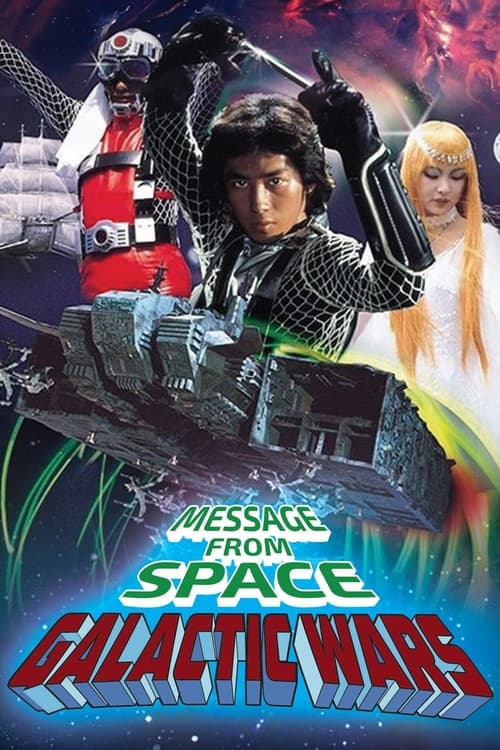
The 15th solar system is invaded by the Stressos. Two men, Ryû and Ayato, and a man-ape, Baru, organize the resistance. They are helped by Eolia, a mysterious woman traveling on a three masted space ship.
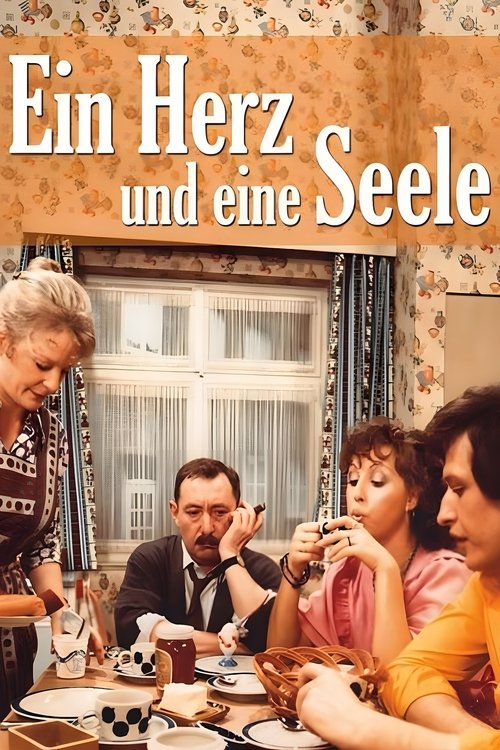
Ein Herz und eine Seele is a German cult sitcom based on the British sitcom Till Death Us Do Part by Johnny Speight. The show premiered on January 15, 1973 and lasted for about twenty episodes, airing its last on November 4, 1974. In 1976, the show had a short-lived revival with another four episodes. Ein Herz und eine Seele was written by Wolfgang Menge. The show was extremely successful during its initial run and it still proves very popular in reruns. Two episodes in particular, Silvesterpunsch and Rosenmontagszug have gained such popularity that they are now shown traditionally on German TV on New Year's Eve and Rosenmontag, respectively.
A seven-hour chronological edit of The Godfather and The Godfather Part II, expanded with over an hour of restored scenes to trace the Corleone family’s rise from Vito’s youth in Sicily to Michael’s reign in 1950s America.
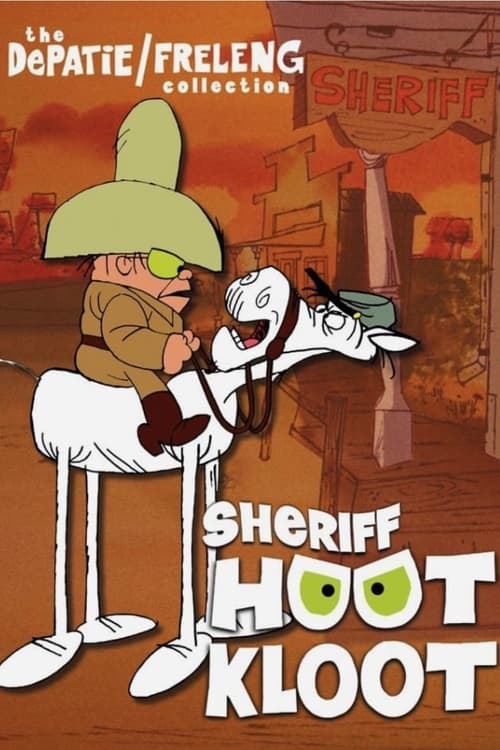
"Hoot Kloot" was a series of 17 theatrical cartoon shorts produced by DePatie-Freleng Enterprises from 1973 to 1974. They featured Sheriff Hoot Kloot -- a diminutive, short-tempered lawman -- and his loyal horse Fester who try to maintain order in a remote western town. The series was later shown on television as part of the NBC Saturday morning cartoon series "Pink Panther and Friends."
The Ascent of Man is a thirteen-part documentary television series produced by the BBC and Time-Life Films first transmitted in 1973, written and presented by Jacob Bronowski. Intended as a series of "personal view" documentaries in the manner of Kenneth Clark's 1969 series Civilisation, the series received acclaim for Bronowski's highly informed but eloquently simple analysis, his long unscripted monologues and its extensive location shoots.
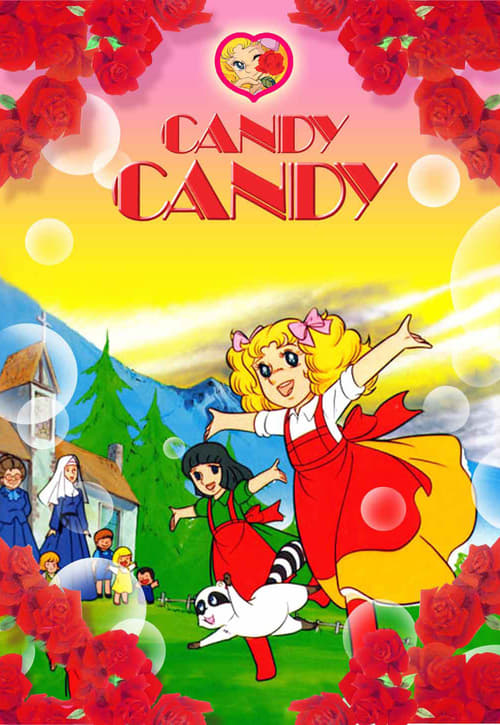
This story is about a girl, Candy, who is a orphan. She is a nice and optimistic girl and she has a warm heart. When she was a child, she lived in an orphanage called Pony's Home. She had a good friend called Ann. And she met the "handsome boy on the hill" who is a important person in her life, on the hill behind the orphanage. She was adopted by the Loka's family. What's awaiting her are the bad-hearted Leo and his sister, Eliza. One day, in the rose garden, she met a boy, who is identical to the "handsome boy on the hill" who she had met in her childhood. The boy is called Antony. Thereafter, a fantastic story that she has never expected begins.
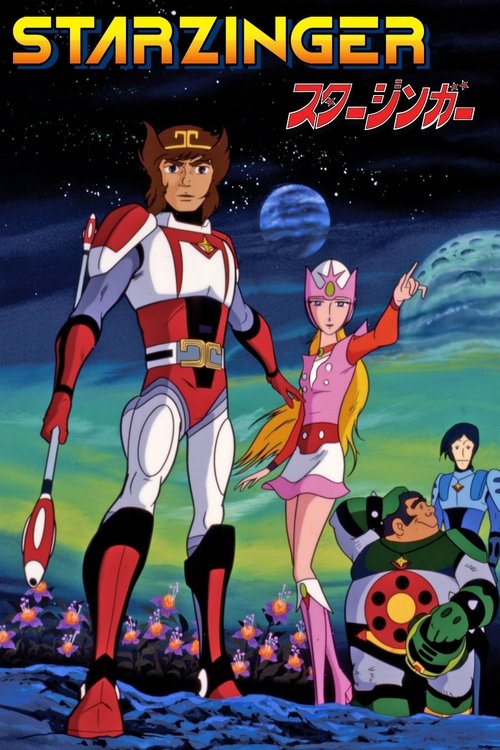
Three powerful cyborgs must assist Princess Aurora on her dangerous journey to the Great Planet, in order to restore balance in the universe.
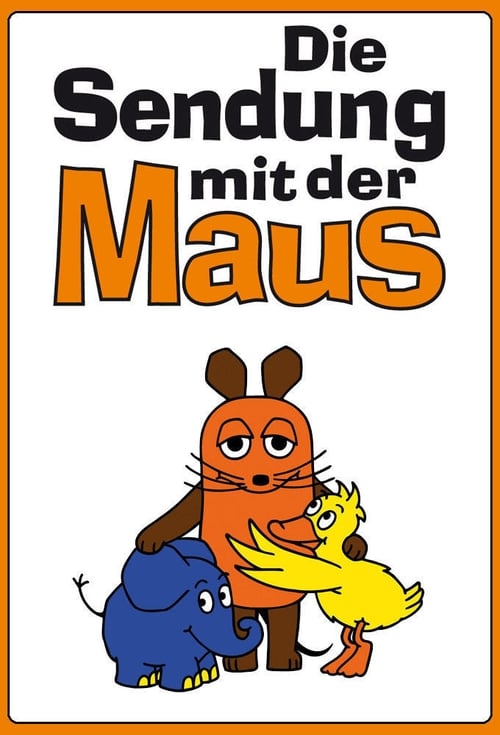
The children's show has been a fixed Sunday morning ritual in German living rooms since 1971. Not only children, but also many adults sit in front of the television every week when the clever orange mouse, his blue elephant buddy and the yellow duck lead the way with short, funny cartoon clips between the "funny and factual stories".
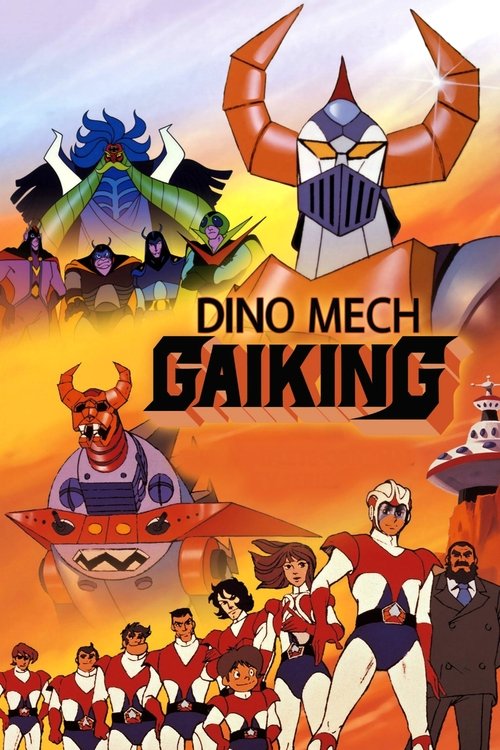
This story chronicles the crew of the transformable carrier Daikū Maryū and the Super Robot Gaiking's battle against an invading race of aliens called the Dark Horror Army, whose home planet is facing destruction by a black hole. Notable aspects of the series include the dinosaur-based designs of the Daikū Maryū and its support machines and the use of part of the carrier to form the main robot. The Gaiking robot is helmed by former baseball star Sanshiro Tsuwabuki, whose latent psychic powers make him the only one capable of piloting the giant robot.

Banacek is an American detective TV series starring George Peppard that aired on the NBC network from 1972 to 1974. The series was part of the rotating NBC Wednesday Mystery Movie anthology. It alternated in its time slot with several other shows but was the only one to last beyond its first season.
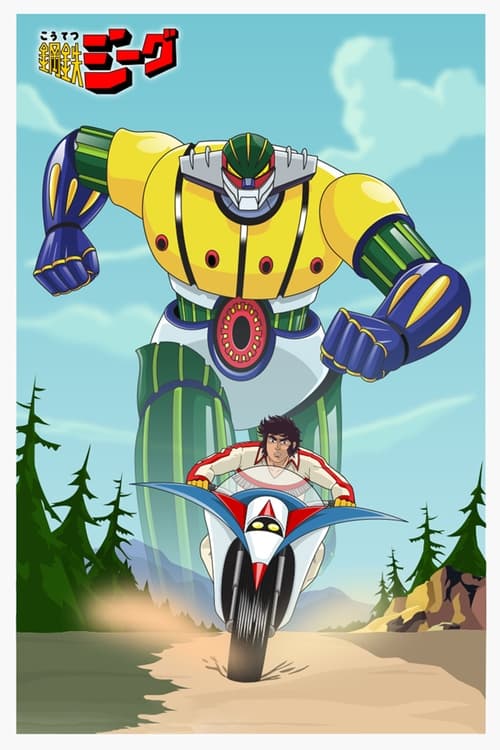
Hiroshi Shiba is a car racer who is mortally wounded in a laboratory accident, but restored to life by his father, Professor Shiba.
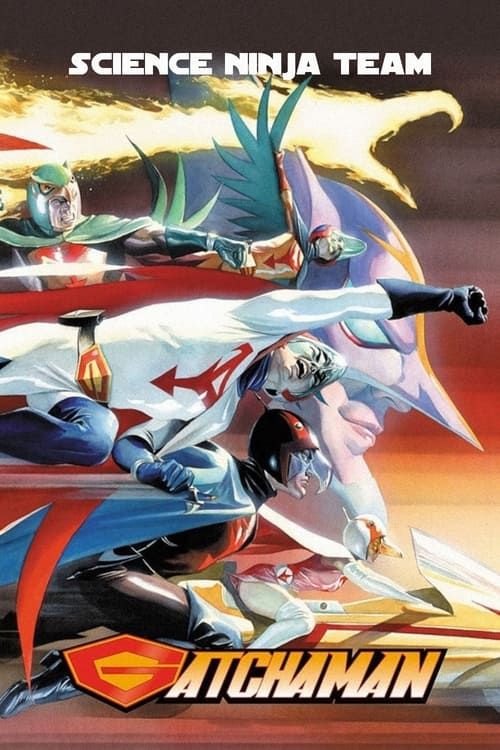
Science Ninja Team Gatchaman is a five-member superhero team that is composed of the main characters in several anime created by Tatsuo Yoshida and originally produced in Japan by Tatsunoko Productions and later adapted into several English-language versions. It is also known by the abbreviated name Gatchaman. The original series, produced in 1972, was eponymously named Kagaku Ninja Tai Gatchaman and is most well known to the English-speaking world as the adaptation titled Battle of the Planets. The series received additional English adaptations with G-Force: Guardians of Space and ADV Films' uncut 2005 release. Tatsunoko also uses the official translation Science Commando Gatchaman, as shown in numerous related products and media. Because the English-language versions are notoriously inconsistent not only with one another but also with the original Japanese series, viewers most familiar with the English versions often experience some confusion upon re-examining the series after a long hiatus. The original 1972 Kagaku Ninja Tai Gatchaman series was followed by an animated film, two sequel series, Gatchaman II, and Gatchaman Fighter. In the 90's, episodes from both series were dubbed into English by Saban as Eagle Riders. In 1994, the original series was remade as a condensed OVA series.

After the great disaster of 2008, a war that destroyed the planet, the world is now largely ocean with the continents having sunk. Conan lives on a remote island with his grandpa and nature, never having seen another human being. But one day a mysterious girl, Lana, washes up on his beach. The two become quick friends, but she’s soon kidnapped and taken to Industria, a technological remainder from the world before. Conan leaves his island in pursuit, braving new lands and many hardships with new friends and enemies just beyond the horizon.