

#1. The World in Front (1987–)
Weekly current affairs show
Explore the highest-rated 80s Documentary television shows. Classic nostalgia and memorable series from the 80s.
Weekly current affairs show
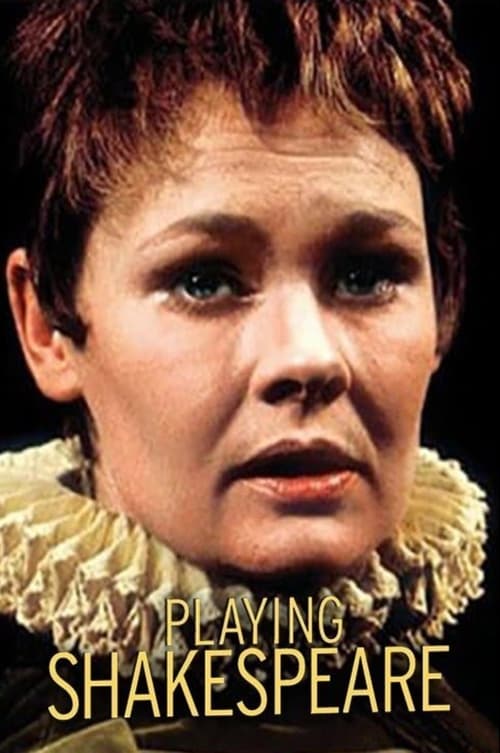
John Barton holds a master class in how to play Shakespeare, using members of the RSC doing scenes, sonnets, and commentary as prime examples.
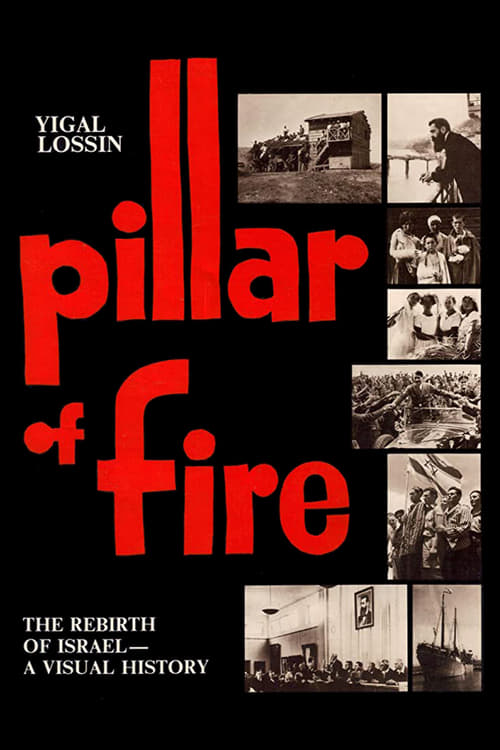
Pillar of Fire focuses on the History of Zionism, beginning in 1896, in the wake of Theodor Herzl's revival of the concept of Jewish nationalism and continues to follow the Jewish People in the 20th century, the early stages of Zionism, followed by the waves of Aliyah prior to the founding of Israel, the Revival of the Hebrew language, the Ottoman Empire's rule in over the Land of Israel, the British Mandate, Anti-Semitism in Europe, the rise of Nazism and The Holocaust, the history of the Yishuv, the Jewish struggle for independence, and ends in 1948, with the Israeli Declaration of Independence.
Bharat Ek Khoj is a 53-episode Indian historical drama based on the book The Discovery of India by Jawaharlal Nehru, that dramatically unfolds the 5000 year history of India from its beginnings to the coming of independence in 1947. The drama was directed, written and produced by Shyam Benegal with cinematographer V. K. Murthy in 1988 for state-owned Doordarshan. Benegal's regular script collaborator Shama Zaidi also co-wrote the script.
No overview currently available.
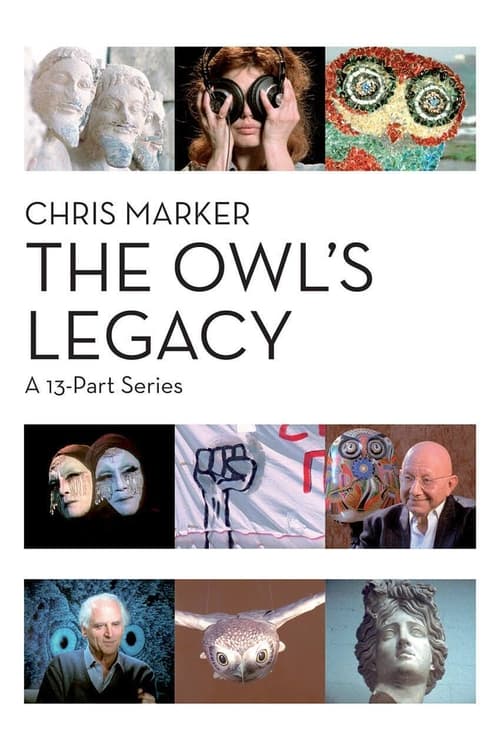
A 13-part documentary series by Chris Marker examining how ancient Greek ideas continue to shape modern Western thought. Each episode centers on a single Greek word—such as “democracy,” “philosophy,” or “mythology”—through conversations filmed in cities around the world. Combining symposium-style discussions with archival footage and visual motifs of the owl, Marker creates an expansive reflection on the enduring legacy of Greece.
Ed Asner tells the story of RKO Pictures from the 1920s to the 1960s.

Major Les Hiddins of the Australian Army was born in Queensland and was always interested in Aboriginal customs and practices and how those practices helped a people survive in a hostile environment for thousands of years. When he joined the Army he developed this interest into a skill and put it to good use. Learning how to survive in the Australian bush and then to teach others the same skills. He wrote various survival manuals for the Australian Armed forces and added survival notes to the back of maps used by pilots flying over the Australian bush. In this series of programmes Les shares that knowledge with us, teaching us some of his survival skills and his great respect for the Aboriginal people that taught him.

Documentary series about the effect of advances in science and technology on western society in its philosophical aspects.
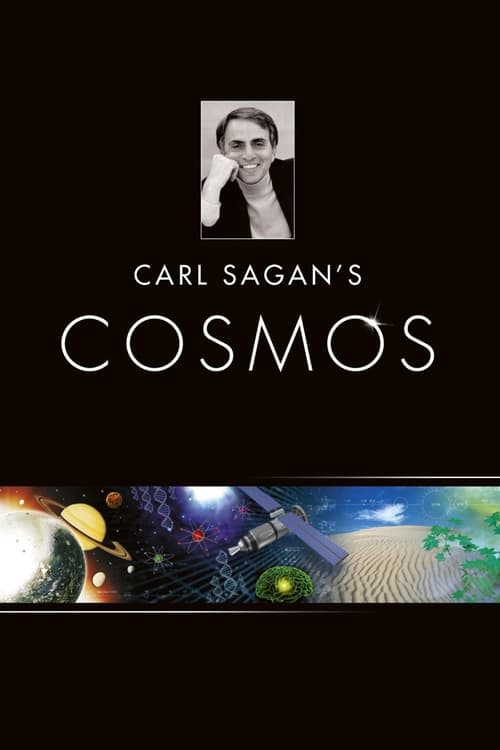
Carl Sagan covers a wide range of scientific subjects, including the origin of life and a perspective of our place in the universe.
The Mechanical Universe... And Beyond, is a 52-part telecourse filmed at the California Institute of Technology, and produced by Caltech and INTELECOM Intelligent Telecommunications. The series introduces university level physics, covering topics from Copernicus to quantum mechanics. Produced starting in 1985, the videos make heavy use of historical dramatizations and visual aids to explain physics concepts. The latter were state of the art at the time, incorporating almost 8 hours of computer animation created by computer graphics pioneer Jim Blinn. Each episode opens and closes with a "phantom" lecture by Caltech professor David Goodstein. After more than a quarter century, the series is still often used as a supplemental teaching aid, for its clear explanation of fundamental concepts such as special relativity. The Mechanical Universe lectures are actual freshman physics lectures from Physics 1a and 1b courses at the California Institute of Technology. The room seen in the videos is the Bridge lecture hall. The series can be purchased, or viewed by streaming from the Annenberg website, or can be viewed on other video streaming sites such as YouTube and Google Video.
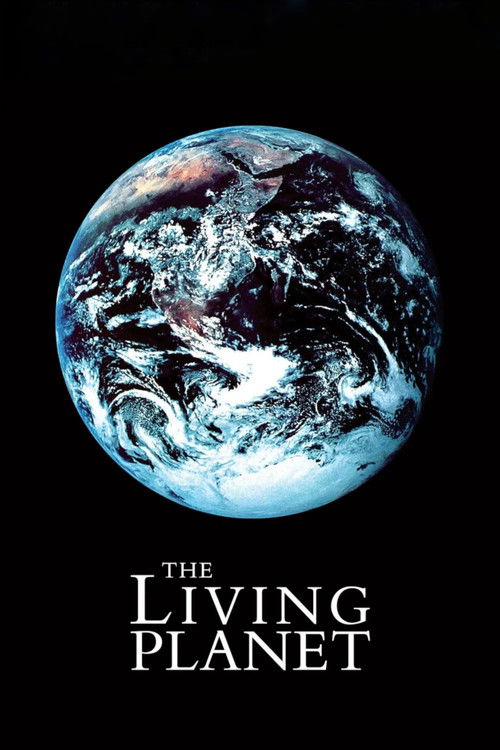
David Attenborough examines the ways in which animals and plants adapt to their surroundings.
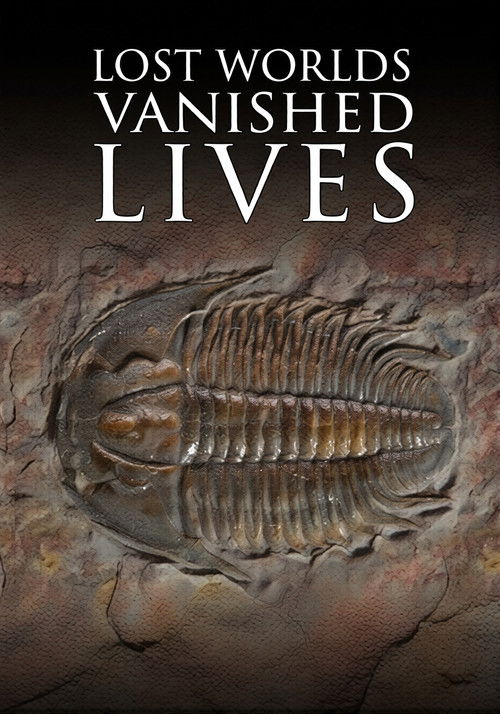
David Attenborough presents a series on fossils and palaeontology.
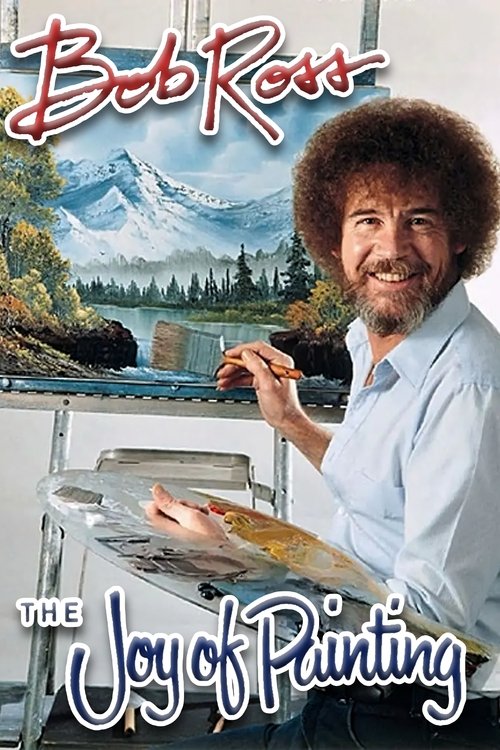
The Joy of Painting was an American television show hosted by painter Bob Ross that taught its viewers techniques for landscape oil painting. Although Ross could complete a painting in half an hour, the intent of the show was not to teach viewers "speed painting". Rather, he intended for viewers to learn certain techniques within the time that the show was allotted. The show began on January 11, 1983, and lasted until May 17, 1994, a year before Ross' death.
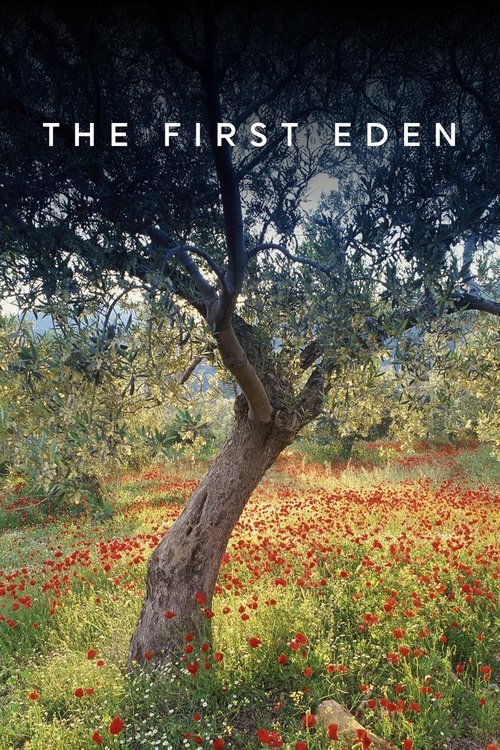
David Attenborough presents the history and natural history of the Mediterranean lands.